
Views: 0 Author: Site Editor Publish Time: 2025-09-25 Origin: Site


Are mini guitars worth the hype? Choosing the best one can be tricky. From sound to size, many factors matter. In this guide, we explore top models. You’ll learn how to pick and care for them, including cleaning tips with rubber gloves.
A mini guitar is a scaled-down version of a standard acoustic or electric guitar. Typically, it features a shorter scale length (around 22-24 inches), a compact body, and lighter weight. These design elements make it highly portable without significantly sacrificing sound quality. Unlike toy guitars or low-end travel instruments, quality mini guitars offer full resonance, suitable for recording, practice, and live performances.
Mini guitars can be broadly categorized into several types: travel guitars, compact acoustics, acoustic-electric models, and beginner guitars. Each serves a specific purpose. Travel guitars prioritize portability, often folding into carry-on luggage or small gig bags, making them perfect for musicians on the move. Compact acoustics focus on maintaining tonal richness while reducing body size, ideal for players in apartments or dorm rooms. Acoustic-electric mini guitars allow amplification and recording, which is valuable for studio work or live performances. Meanwhile, beginner guitars emphasize playability, offering easy finger access and manageable string tension.
Reading mini guitar reviews provides valuable insights into real-world performance. Reviews often discuss sound clarity, build quality, and ease of use. Many models that appear similar on paper differ significantly in tone and durability, so reviews act as a guide for making an informed choice. It’s also important to consider practical aspects, such as accessories and maintenance. Simple practices, like wearing rubber gloves while cleaning or adjusting the instrument, prevent oils or dirt from affecting the wood finish.
Tip: Consider your primary use case before selecting a mini guitar. Travel, home practice, and beginner learning each require slightly different specifications to maximize comfort and satisfaction.
Mini Guitar Types Comparison
Type | Ideal For | Key Feature | Notes |
Travel Guitars | Frequent travelers | Lightweight, portable | Fits in small luggage |
Compact Acoustics | Home/studio use | Rich tonal balance | Great for apartments |
Acoustic-Electric | Recording/performance | Amplification option | Versatile for gigs |
Beginner Guitars | Learners | Low string tension | Easier finger reach |
Mini guitars are not merely smaller versions of traditional guitars—they offer unique advantages that cater to specific needs. For beginners, the smaller neck and body reduce the physical strain often experienced with full-sized guitars. This can help learners maintain proper hand positioning, reduce finger fatigue, and improve accuracy in fretting. Beginner guitars in mini formats often feature lower string tension, making chords and scales easier to play and accelerating skill development.
Travelers also benefit from mini guitars due to their portability. Musicians who frequently move between cities or perform outdoors require instruments that are easy to transport without compromising sound quality. Mini guitars fit conveniently in carry-on luggage or small cases, yet still provide enough resonance for casual performances. They are often favored by buskers, campfire performers, and touring musicians who need reliable instruments that can endure frequent handling and minor bumps during transit.
Another reason to choose a mini guitar is versatility. Acoustic-electric mini guitars provide both unplugged and amplified sound, supporting both home practice and live stage use. Compact acoustics maintain tonal richness suitable for recording or studio work. Additionally, proper care and protective measures—such as using rubber gloves during cleaning—ensure that these instruments retain their finish and playability over time. By considering these advantages, musicians can match a mini guitar to their lifestyle, skill level, and performance needs.
Tip: Selecting a mini guitar requires evaluating comfort, portability, sound quality, and maintenance practices to ensure the instrument meets long-term goals.
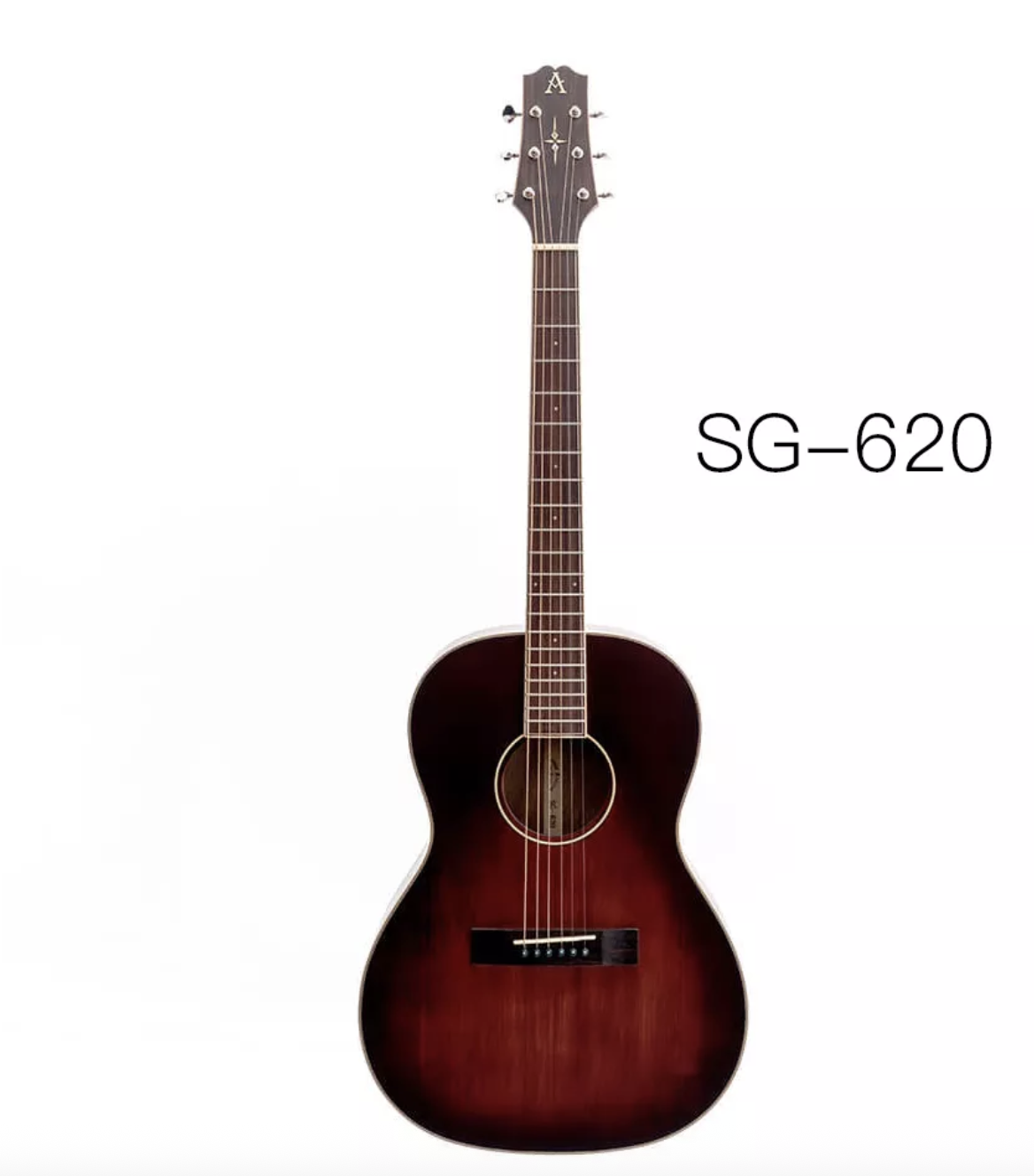
Mini guitars are designed to fit comfortably in smaller hands while maintaining playability comparable to standard instruments. A typical scale length of 22-24 inches allows for easier finger stretches, making chord transitions smoother and faster. Players often find it easier to hold a compact body for extended periods without discomfort, which encourages longer practice sessions and more consistent skill development.
The body shape and neck width are also crucial. Slimmer necks improve access to higher frets and enable more precise finger placement. Additionally, lighter weight reduces strain on wrists and shoulders, making mini guitars suitable for both children and adults. Accessories such as straps and padded cases further enhance comfort and portability, allowing musicians to carry their instrument safely over long distances.
Tip: Testing the neck width and body shape in person ensures a better fit and reduces the risk of discomfort or injury over time.
Despite their smaller bodies, quality mini guitars produce surprisingly rich tones. Wood selection plays a key role in sound quality. Spruce tops provide clarity and brightness, while mahogany backs and sides add warmth and resonance. Proper string choice enhances tone further, and some players may prefer coated or light-gauge strings to reduce tension while maintaining sound integrity.
Mini guitars are also designed to balance tonal projection and portability. While they may not match the depth of a full-sized guitar, they perform well in intimate settings, casual recordings, or small-stage environments. Many compact acoustics are optimized for clear mid-range tones, which suit a wide range of musical genres. This makes them suitable for both practice and casual performance without sacrificing expressiveness.
Sound Quality Factors
Factor | Effect on Sound | Recommendation |
Wood Type | Resonance & tone | Spruce top, mahogany back |
Body Size | Volume & projection | Medium to compact |
Strings | Tension & clarity | Light or coated strings |
Finish | Sustain & protection | Use gloves for cleaning |
Tip: Consider tonal balance and string options when evaluating a mini guitar, as these factors directly affect playability and musical expression.
The materials used in mini guitars affect both tone and longevity. Solid wood tops resonate better than laminate, while the back and sides provide structural support. Lightweight yet durable woods, such as mahogany or nato, ensure portability without compromising sound. Tuning machines and fretboard quality influence playability, and properly finished necks reduce friction for smoother finger movement.
Durability extends to daily handling and maintenance. Simple protective practices, including using rubber gloves while cleaning or polishing, prevent oils and dirt from damaging the finish. Cases and gig bags protect the instrument during transport, ensuring it remains in optimal condition for years. Musicians who travel frequently should also check hardware stability and string anchor points to prevent frequent repairs.
Tip: Investing in high-quality materials and protective measures ensures a mini guitar remains playable and retains value over time.
Mini guitars often benefit from a variety of accessories that enhance usability and protect the instrument. Essential items include cases, tuners, capos, picks, and cleaning kits. Even gloves like rubber gloves can be used during cleaning to avoid damaging delicate finishes. For performers, acoustic-electric models may require cables, amplifiers, or effect pedals to expand versatility.
Accessories also improve the overall experience for beginners and travelers. A well-padded case makes transportation safer, while a reliable tuner ensures accurate pitch for practice and performance. Learning accessories, such as chord charts or instructional materials, complement physical equipment and accelerate skill acquisition.
Recommended Accessories
Accessory | Purpose | Notes |
Case/Gig Bag | Protection | Essential for travel |
Tuner | Accurate pitch | Clip-on or pedal tuner |
Capo | Key changes | Light & portable |
Picks | Tone & control | Multiple gauges |
Cleaning Kit | Maintenance | Use gloves for finish |
Tip: Proper accessories not only protect your mini guitar but also enhance playability and ensure a consistent musical experience.
Mini guitars are uniquely suited for a variety of contexts. For home practice, they provide a manageable size that encourages frequent play without fatigue. Students and hobbyists can benefit from short practice sessions while developing technique. Beginner guitars in mini formats are especially useful in this scenario, as they make chord learning and finger exercises more approachable.
Travel is another key application. Travel guitars are designed to fit in tight spaces, survive handling during flights, and remain lightweight for easy carrying. Many touring musicians prefer mini guitars as backups or for spontaneous street performances. Compact acoustics are often used in apartments or studios where space is limited but sound quality cannot be compromised.
Recording and performance contexts also benefit. Acoustic-electric mini guitars allow musicians to plug into recording interfaces or amplifiers, offering consistent tone in both live and studio settings. This versatility makes them suitable for teaching, small gigs, and creative projects.
Applications Overview
Context | Ideal Mini Guitar | Key Benefit |
Home Practice | Beginner guitars | Comfort & easy learning |
Travel | Travel guitars | Lightweight & portable |
Studio/Recording | Acoustic-electric | Consistent amplified tone |
Small Gigs | Compact acoustics | Rich sound in small spaces |
Tip:Mini guitars are versatile tools for multiple musical contexts, providing consistent performance whether at home, on stage, or during travel.
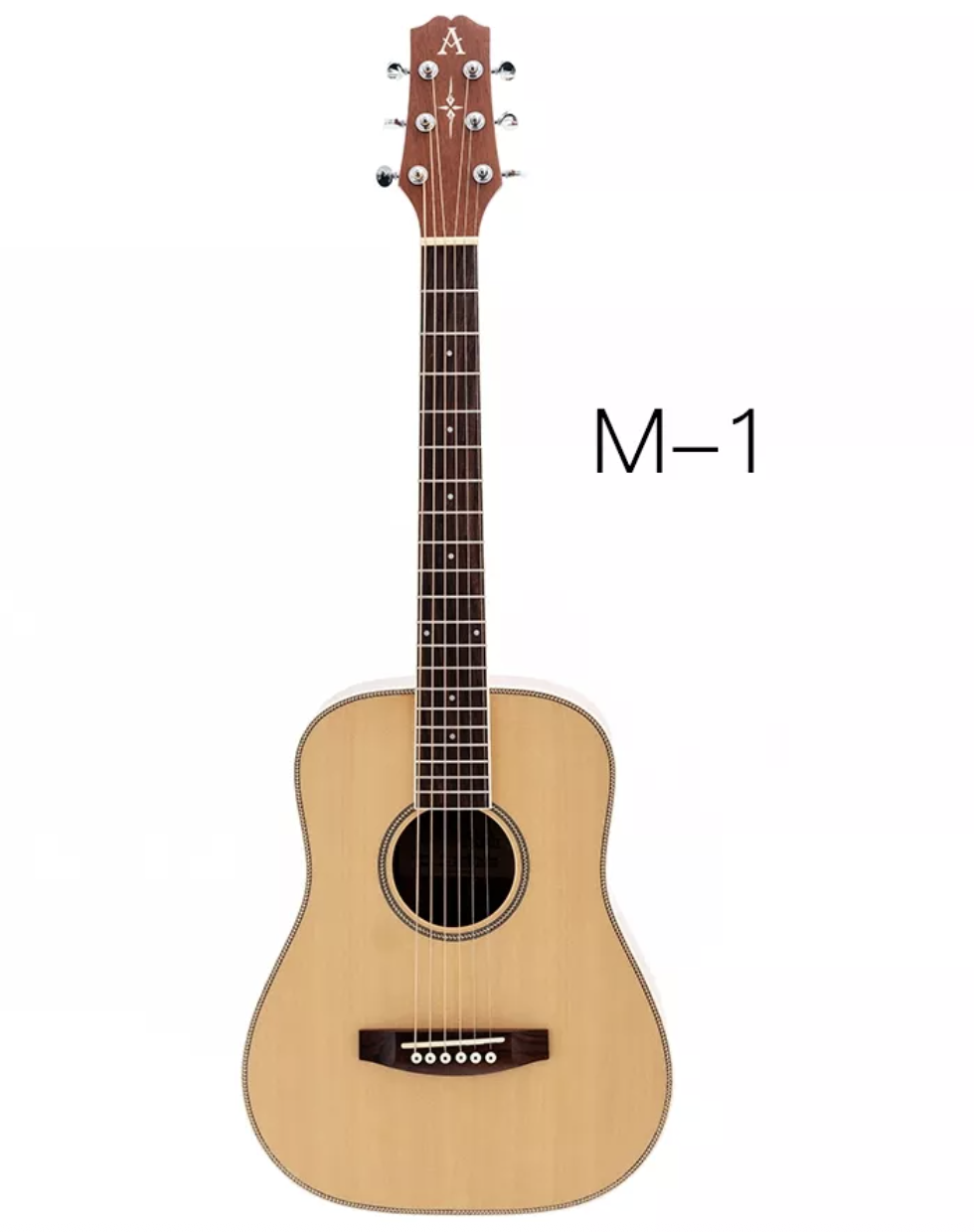
Selecting the right mini guitar involves evaluating several factors: intended use, size, sound quality, durability, and budget. Beginners should prioritize playability and ease of learning. Travelers may focus on weight, portability, and case compatibility. Recording musicians often look for acoustic-electric models with solid tonal performance.
Reviewing mini guitar reviews helps identify reliable models. Pay attention to common feedback on build quality, string action, and tonal clarity. Try the guitar in person whenever possible to ensure comfort and suitability. Accessories such as cases, tuners, and cleaning kits enhance longevity and maintain performance. Using rubber gloves during maintenance protects finishes and reduces wear over time.
Price is another consideration. While higher-end mini guitars often provide superior tone and materials, many mid-range options balance quality and affordability. Determine your budget, then prioritize the features that most impact your playing experience. Comparing multiple options side by side ensures you select the model that best meets your goals.
Tip:Personal testing, careful review analysis, and evaluating accessories are critical steps in choosing a mini guitar that fits your lifestyle and skill level.
This guide explored mini guitars, including size, sound, and portability. Proper care, even using rubber gloves, keeps them in top condition. Zaozhuang Aosen Musical Instrument Co., Ltd. offers quality mini guitars with durable materials and clear tones. Their products provide value for beginners and travelers alike.
A: A mini guitar is a smaller, portable guitar ideal for beginners and travelers. It’s featured in many mini guitar reviews.
A: Mini guitars offer portability, easier playability, and compact acoustics. Proper care, like using rubber gloves, preserves their finish.
A: Clean it gently with a soft cloth and rubber gloves to prevent oils from damaging the wood. This keeps travel guitars and beginner guitars in top condition.
A: Yes, beginner guitars in mini size reduce hand strain and make learning chords easier.
A: Prices vary by brand and type. Compact acoustics and travel guitars range from affordable beginner options to higher-quality models.


